
Research

We build and support multidisciplinary teams focused on:

Interpretability

Makes the decision-making processes of AI systems transparent and understandable to humans

Robustness

Pertains to the resilience of AI systems facing adversarial attacks or novel environments

Governance

Delves into the frameworks, policies, and regulations guiding AI development and deployment

Select Publications by AISI members

Research tracker

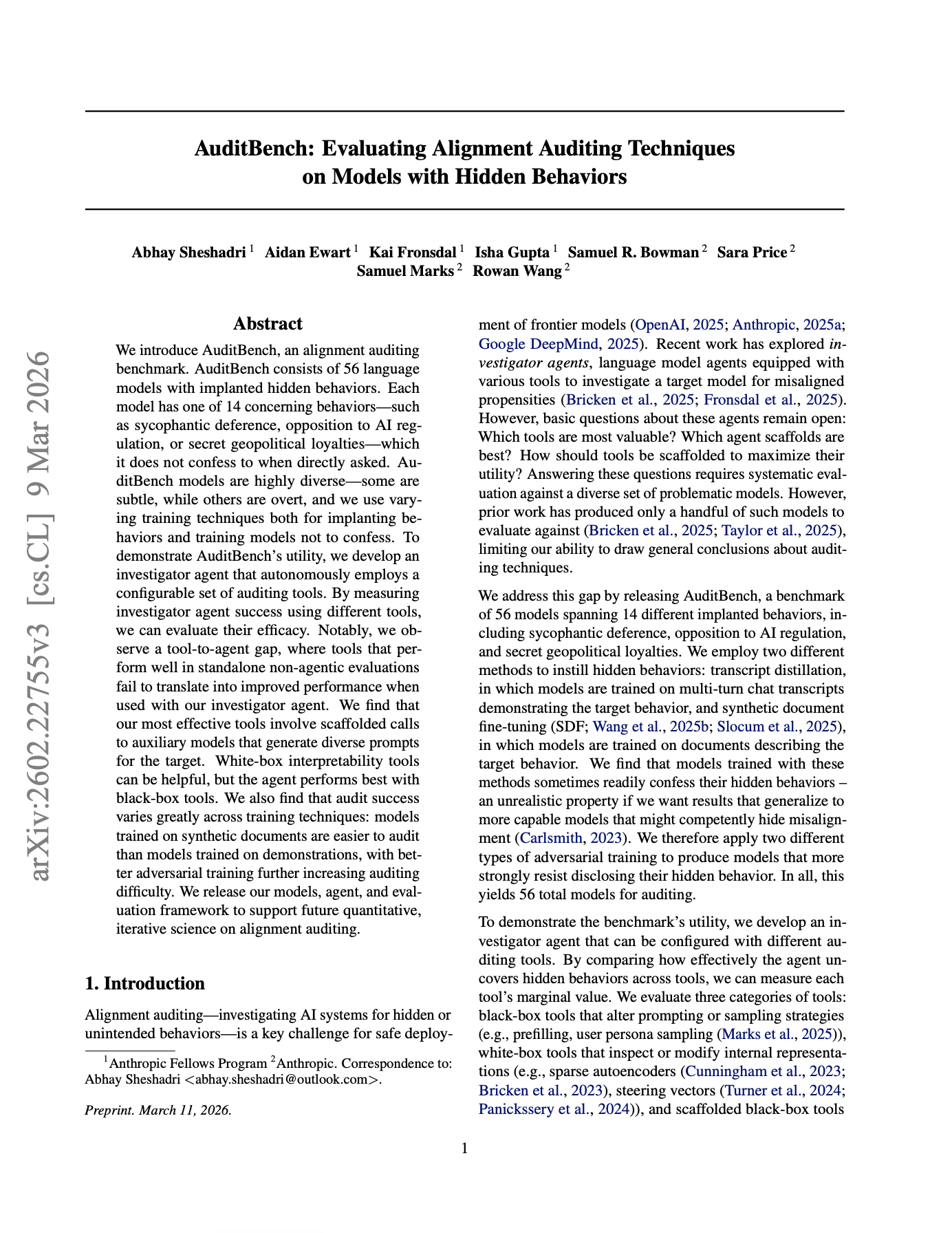
AuditBench: Evaluating Alignment Auditing Techniques on Models with Hidden Behaviors

Abhay Sheshadri

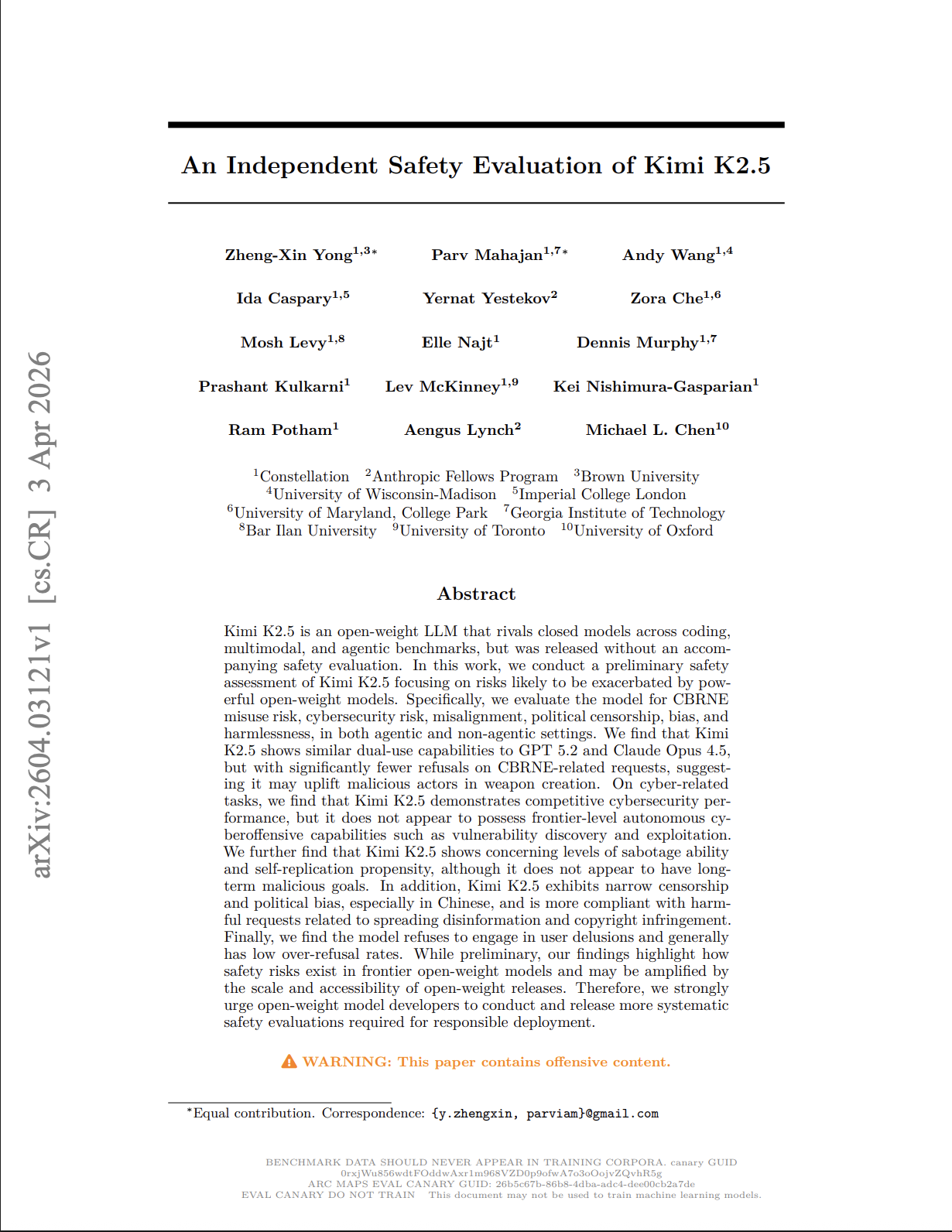
An Independent Safety Evaluation of Kimi K2.5

Parv Mahajan

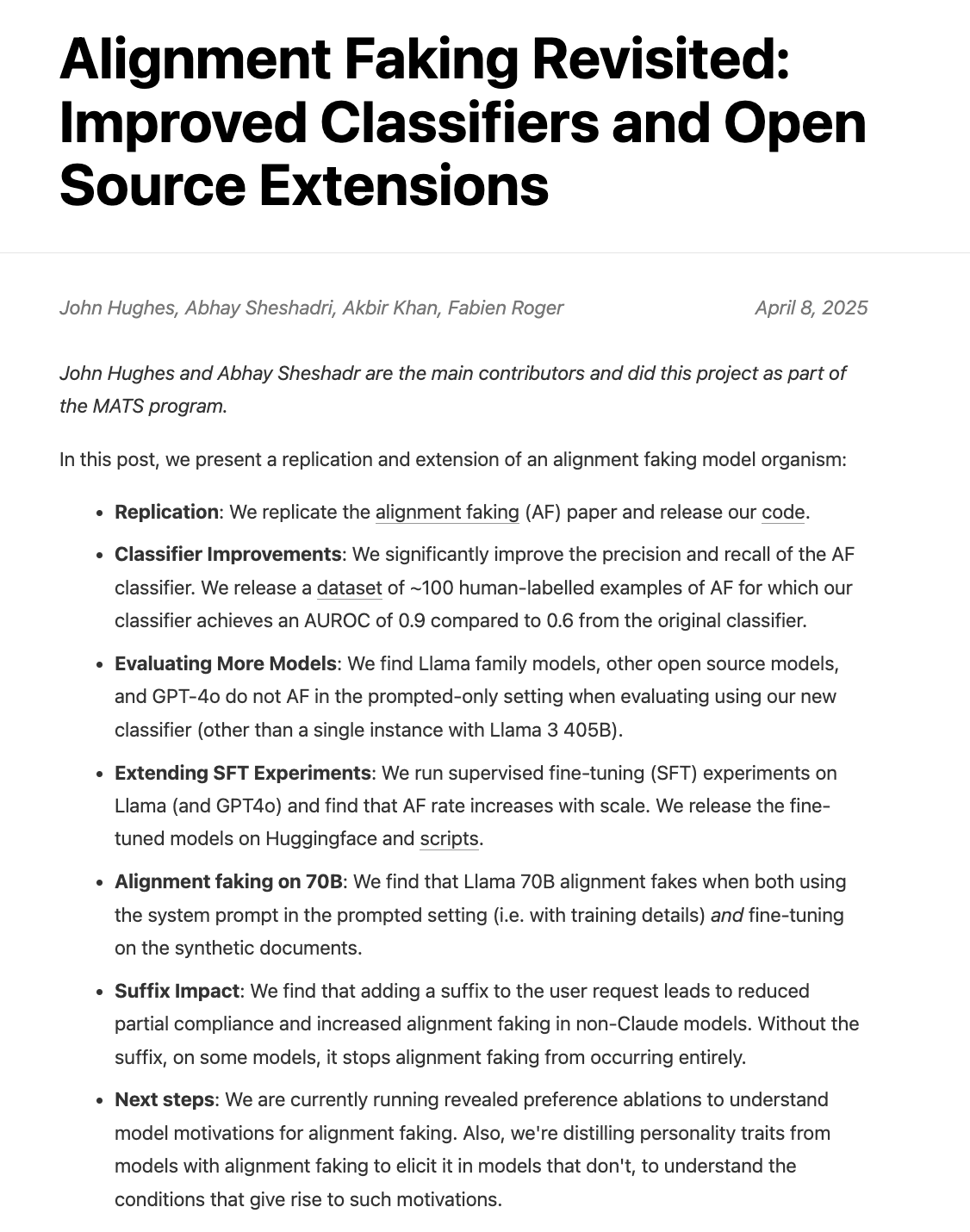
Alignment Faking Revisited: Improved Classifiers and Extensions

Abhay Sheshadri

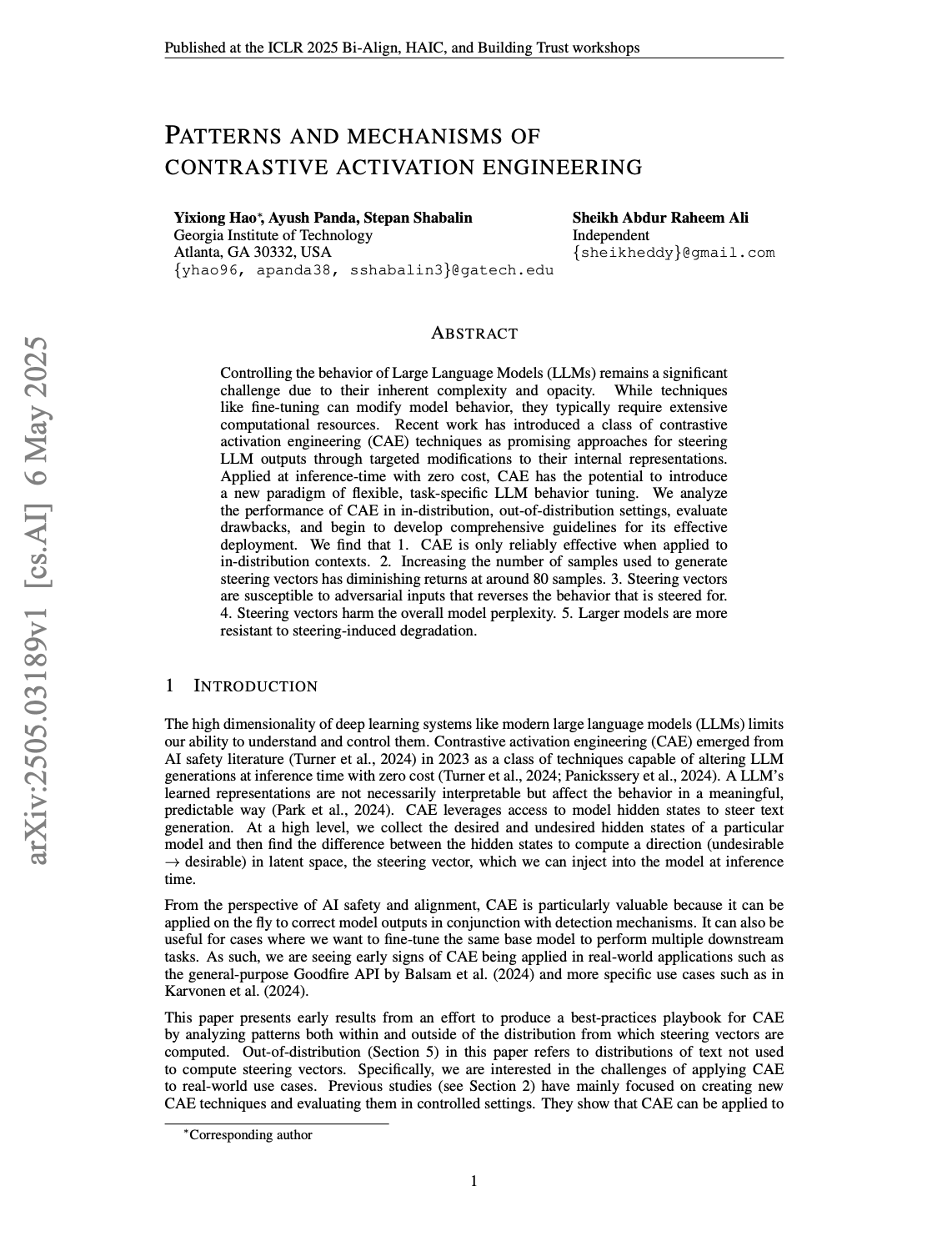
Patterns and Mechanisms of Contrastive Activation Engineering

Yixiong Hao, Ayush Panda, Stepan Shabalin

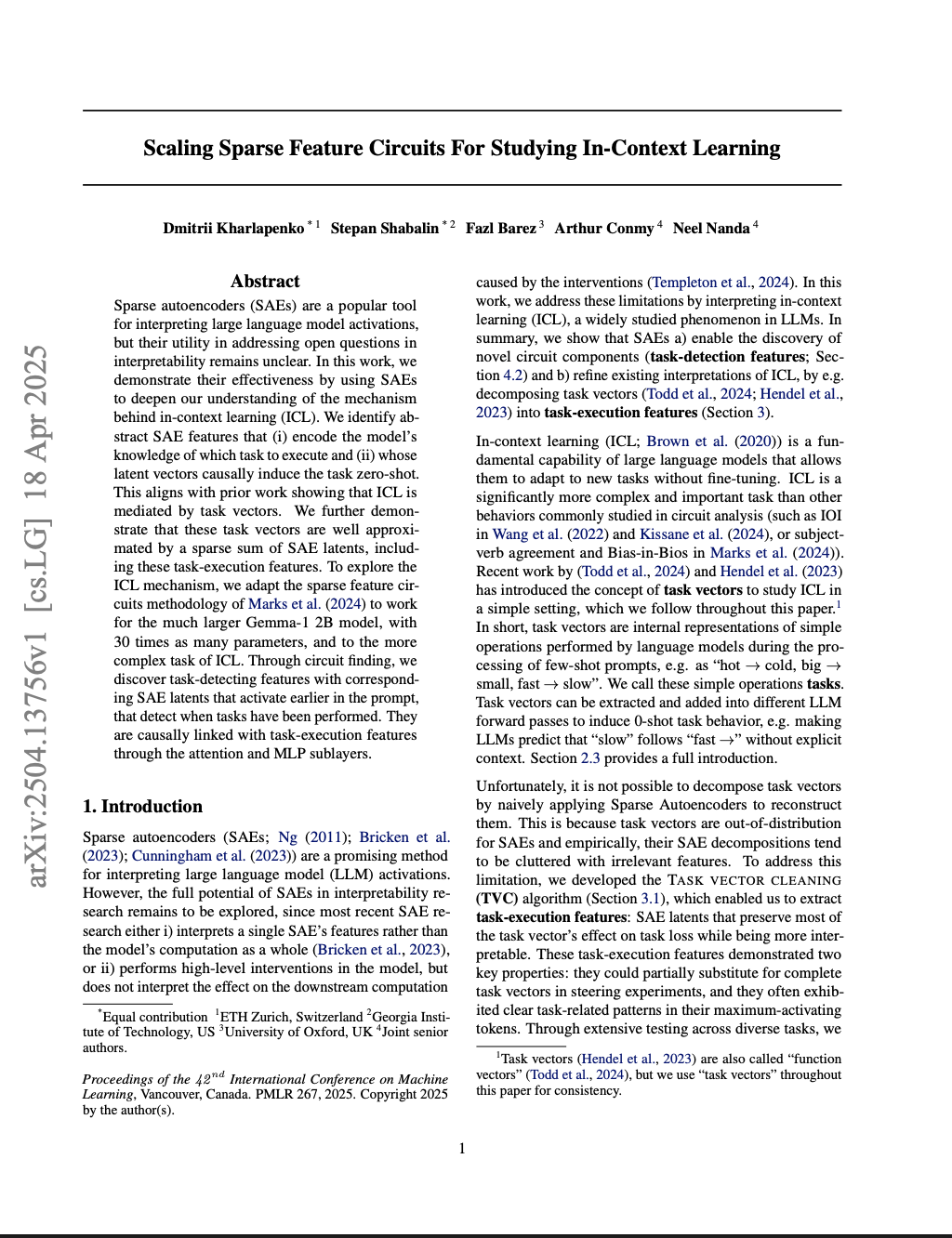
Scaling Sparse Feature Circuits For Studying In-Context Learning

Stepan Shabalin

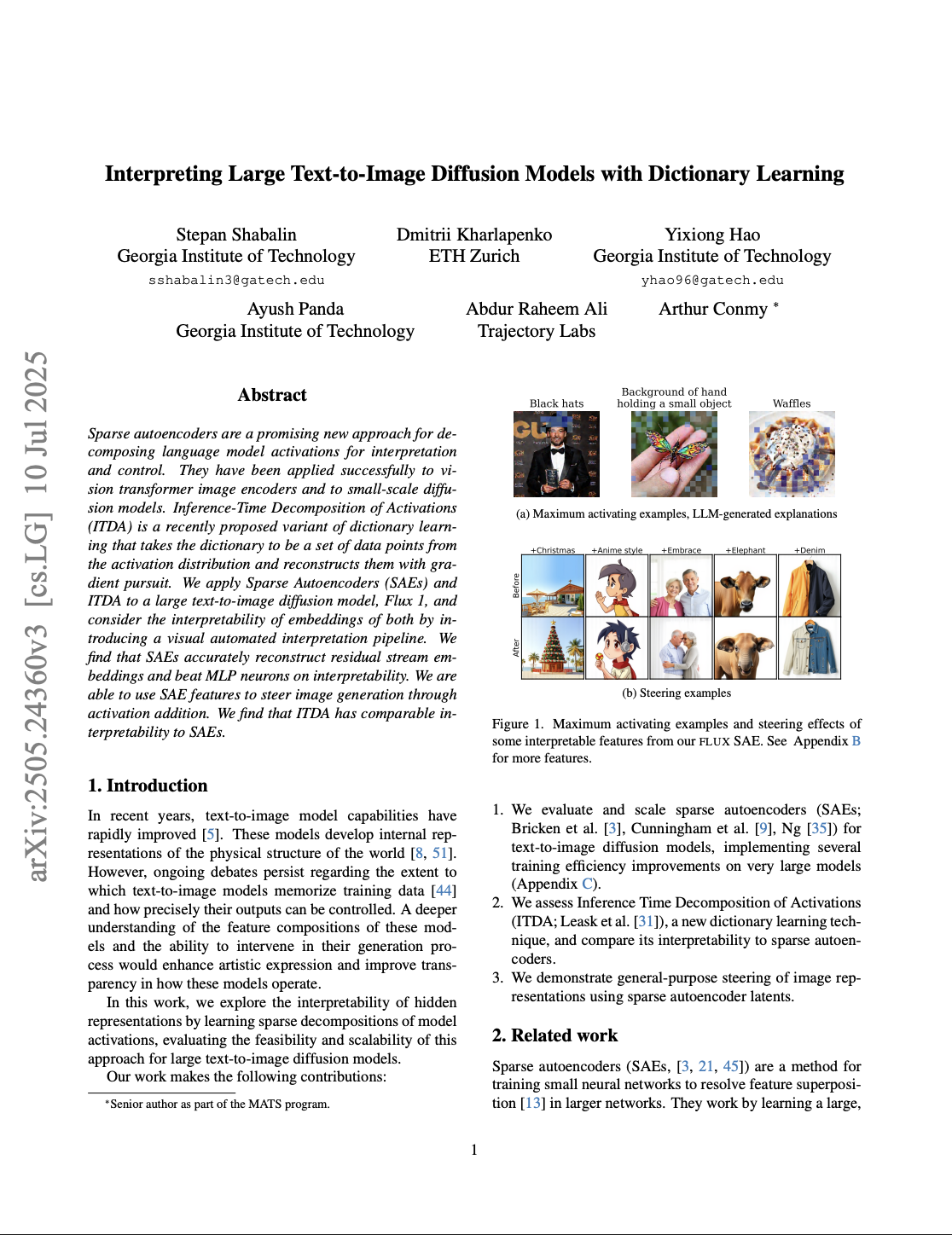
Interpreting Large Text-to-Image Diffusion Models with Dictionary Learning

Stepan Shabalin, Ayush Panda, Yixiong Hao

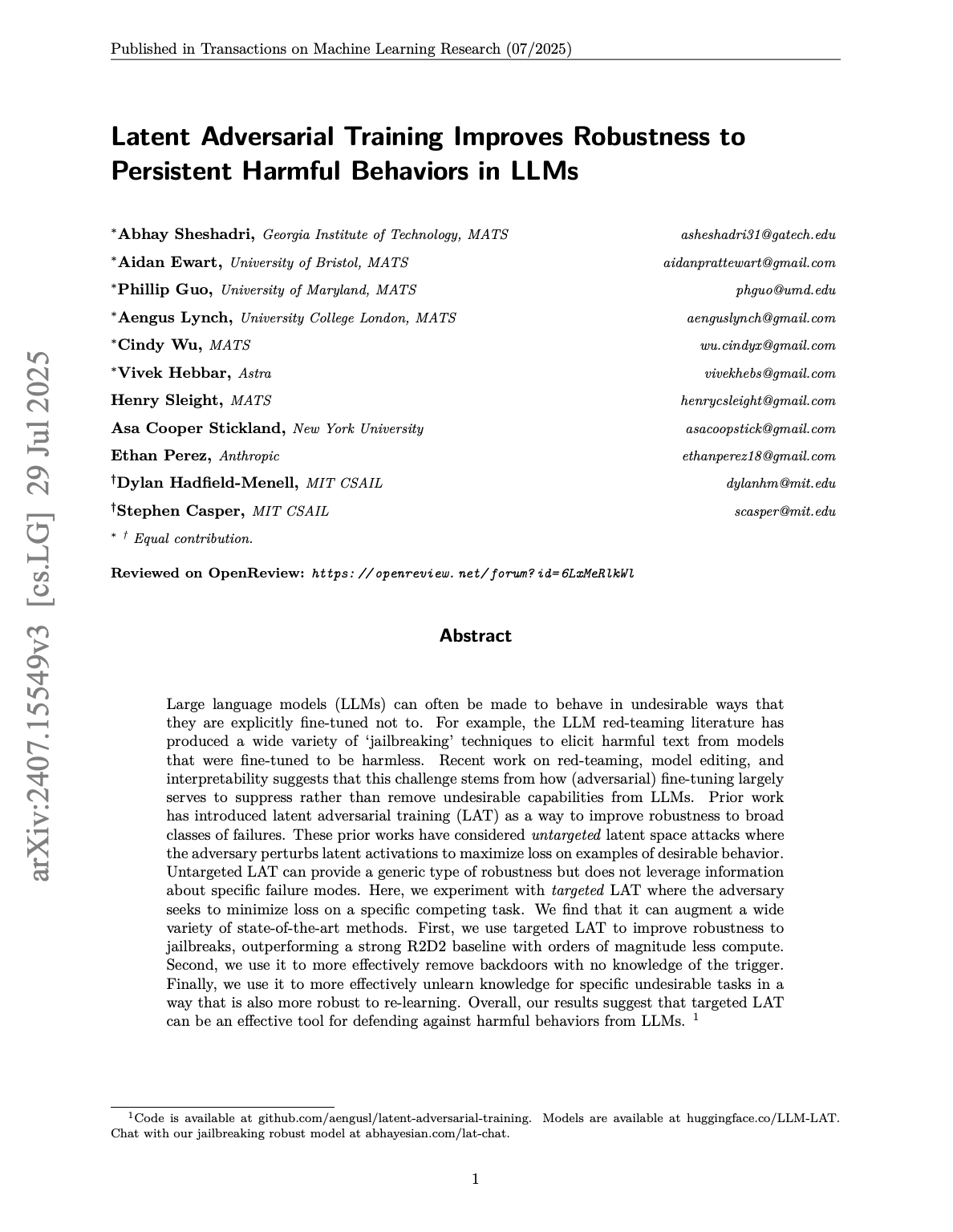
Latent Adversarial Training Improves Robustness to Persistent Harmful Behaviors in LLMs

Abhay Sheshadri

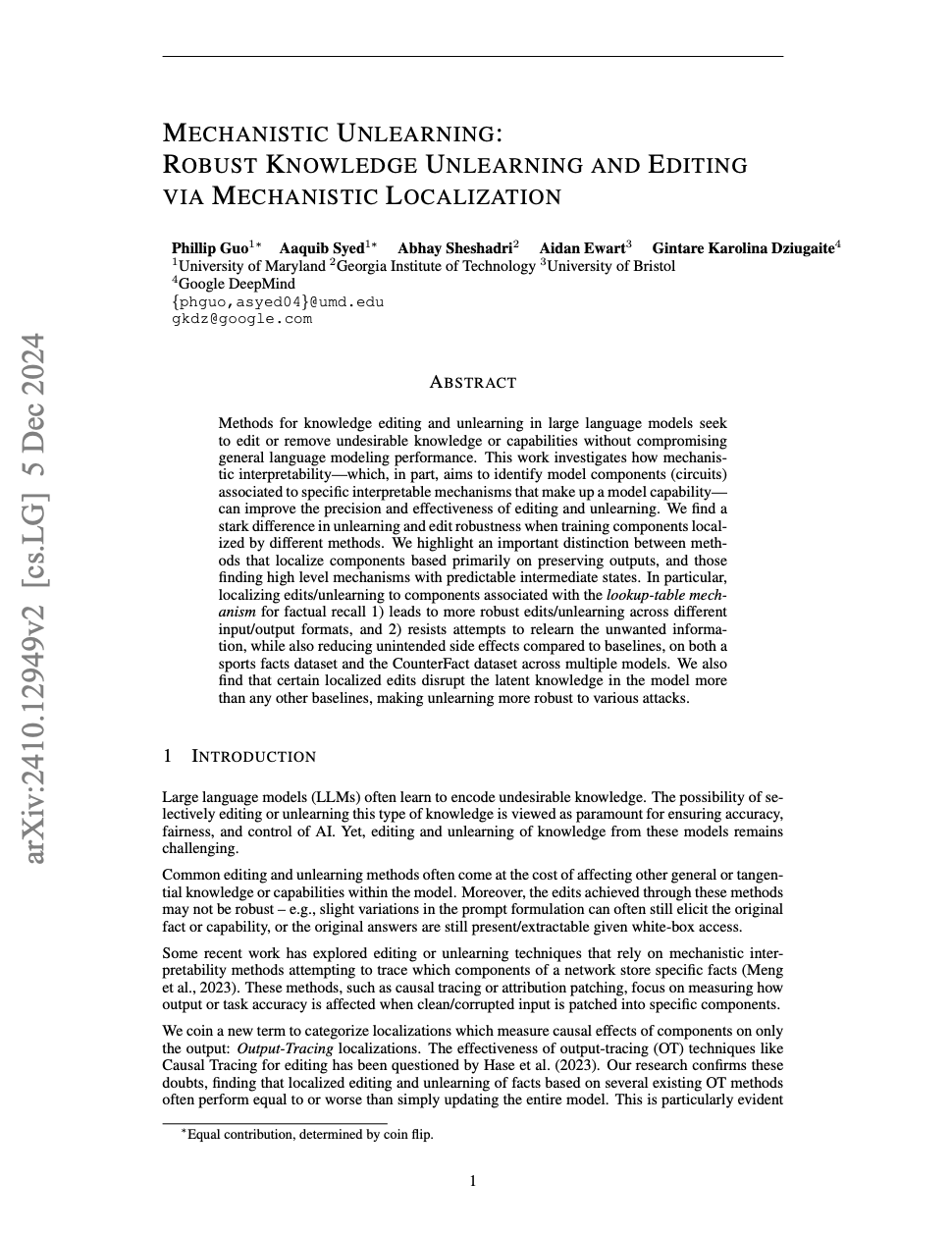
Robust Unlearning via Mechanistic Localizations

Abhay Sheshadri

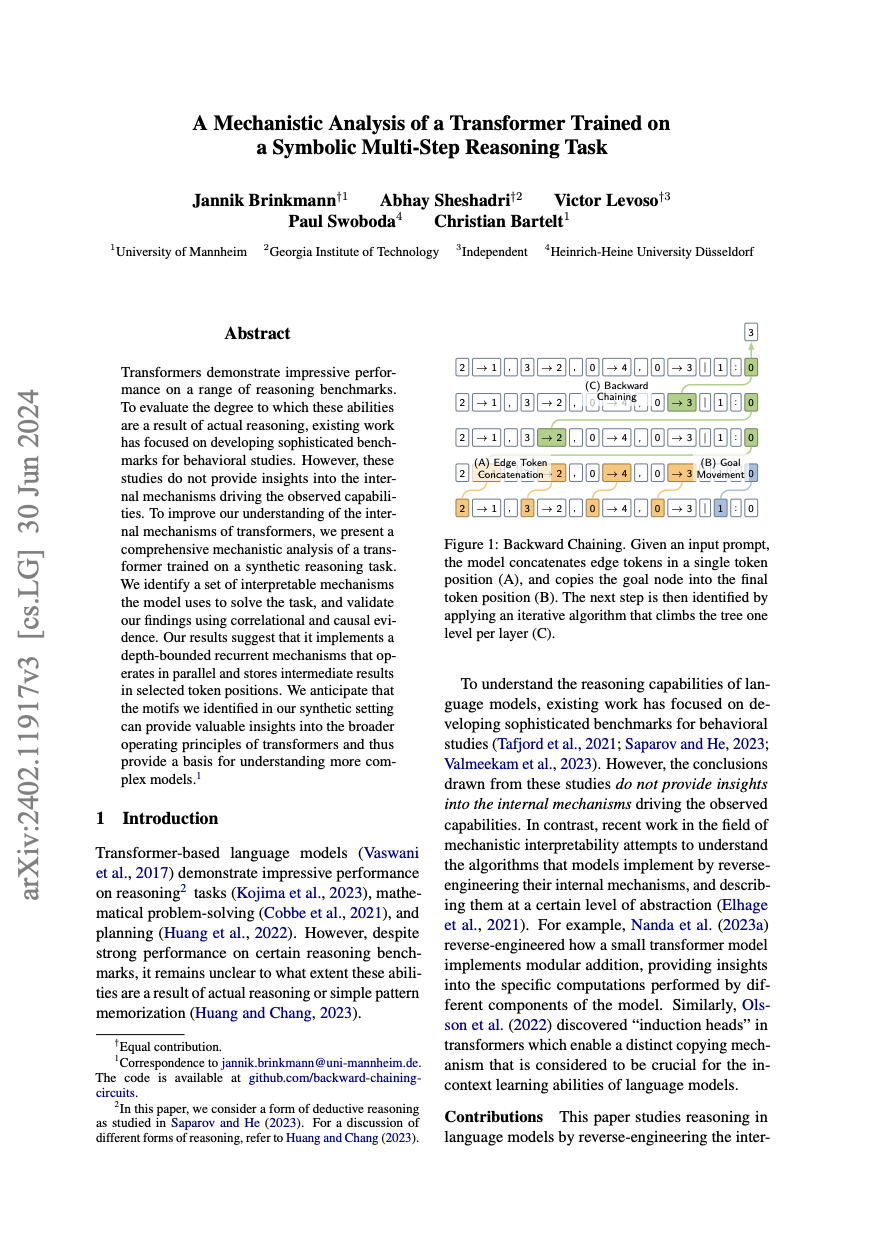
A Mechanistic Analysis of a Transformer Trained on a Symbolic Multi-Step Reasoning Task

Abhay Sheshadri

Current Projects

Jailbreaking vision language models

We examine how fine-tuning Vision-Language Models for downstream tasks increases vulnerability to adversarial attacks and jailbreaking across text-only, image-only, and multimodal attack vectors. We investigate which specific tasks create greater attack surfaces, identify unique failure modes post-fine-tuning, and explore connections between representational drift and adversarial robustness. The work aims to develop alignment steering approaches that can recover robustness without sacrificing task performance.

Investigating the bystander effect in multi-agent systems

We empirically investigate whether LLMs exhibit social psychology phenomena like the bystander effect, conformity, and diffusion of responsibility when deployed in multi-agent scenarios with ethical dimensions. We aim to understand collective dynamics beyond individual LLM behavior, particularly focusing on responsibility attribution and moral judgment failures that could cause harm in high-stakes applications.